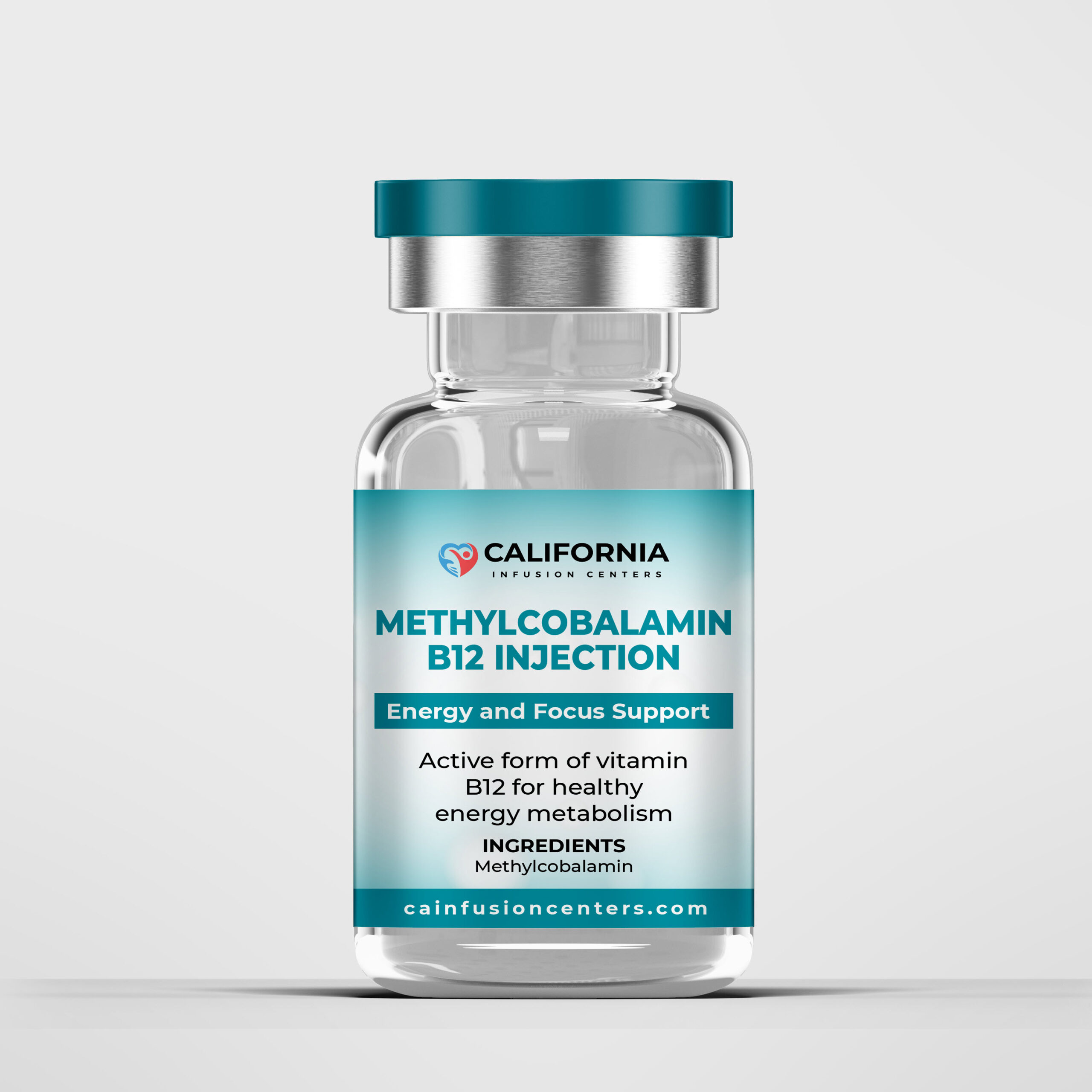
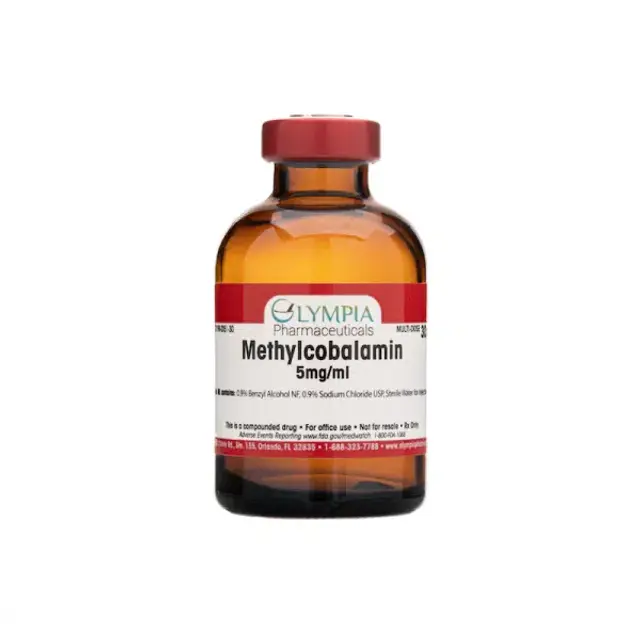
With a B12 deficiency, the body may produce fragile red blood cells that break down more easily, releasing a yellow pigment called bilirubin
Research has examined its role in: LHCGR receptor binding, biased agonism, and intracellular cAMP/PKA signalling studies Leydig cell steroidogenesis and testosterone synthesis pathway research HPG axis regulation and gonadotropin interaction studies in male and female models Spermatogenesis, intratesticular testosterone, and male fertility biology research Trophoblast invasion, placentation, and endometrial ECM remodelling investigations Embryo implantation and the embryo-endometrial microenvironment Immune modulation at the maternal-fetal interface regulatory T cells, NK cells, dendritic cells Hyperglycosylated hCG (hCG-H) isoform biology and early pregnancy signalling VEGF-driven angiogenesis and corpus luteum rescue pathway research Comparative LH vs hCG biased agonism and receptor signalling kinetics studies HCG and Corpus Luteum Research Research has shown that rising systemic hCG levels cause a very rapid elevation of serum progesterone, reflecting rescue of the corpus luteum one of hCGs primary endocrine functions
Theoretical considerations suggest fat loss effects should continue as long as the compound is administered, since the mechanism (beta-3 adrenergic lipolysis, lipogenesis inhibition) does not involve receptor desensitization in the way that some hormonal pathways do
Vitamin B12 is considered beneficial and generally safe, even at high doses
It is dosed at 200 mcg to 500 mcg daily, subcutaneously typically at night to align with the bodys natural GH pulse









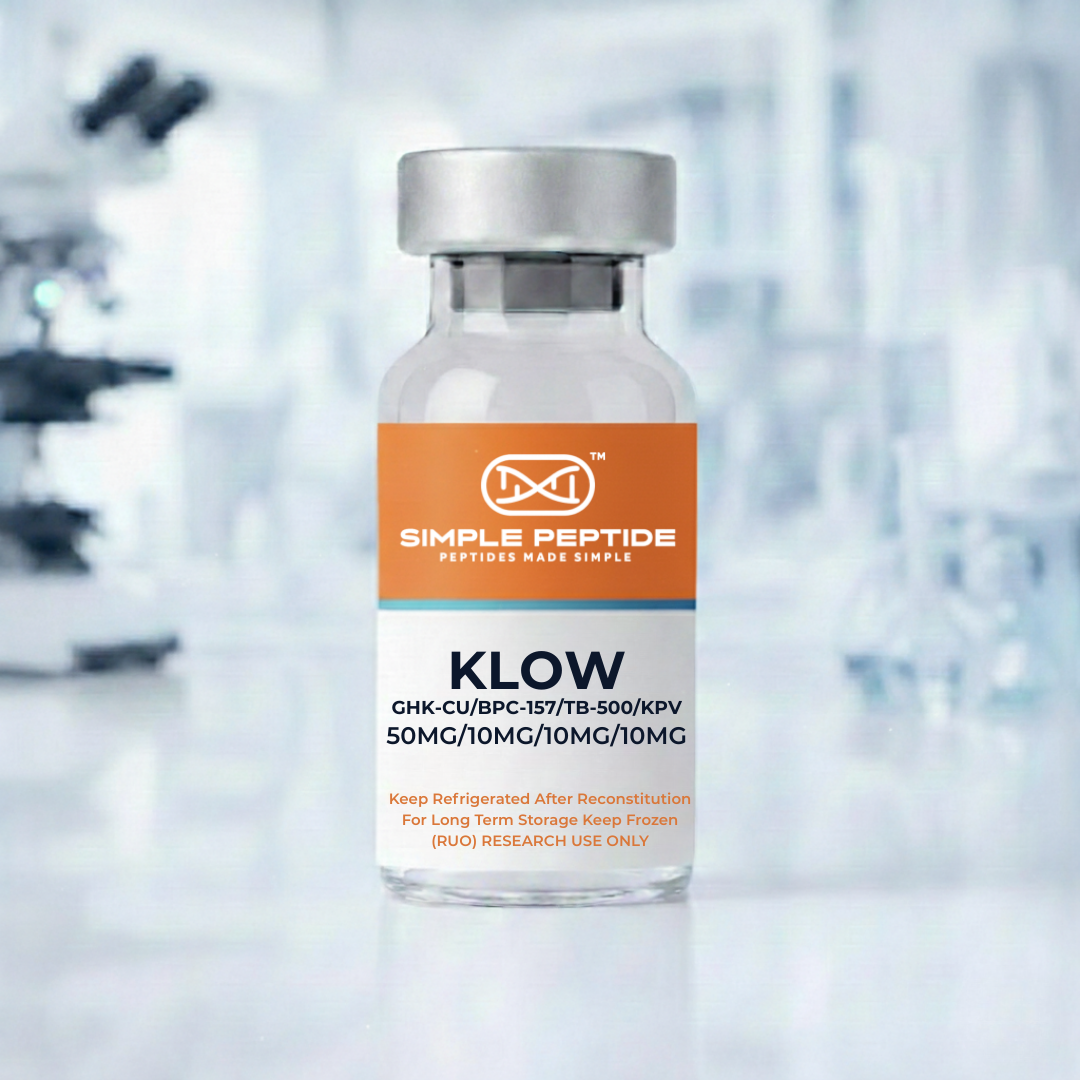
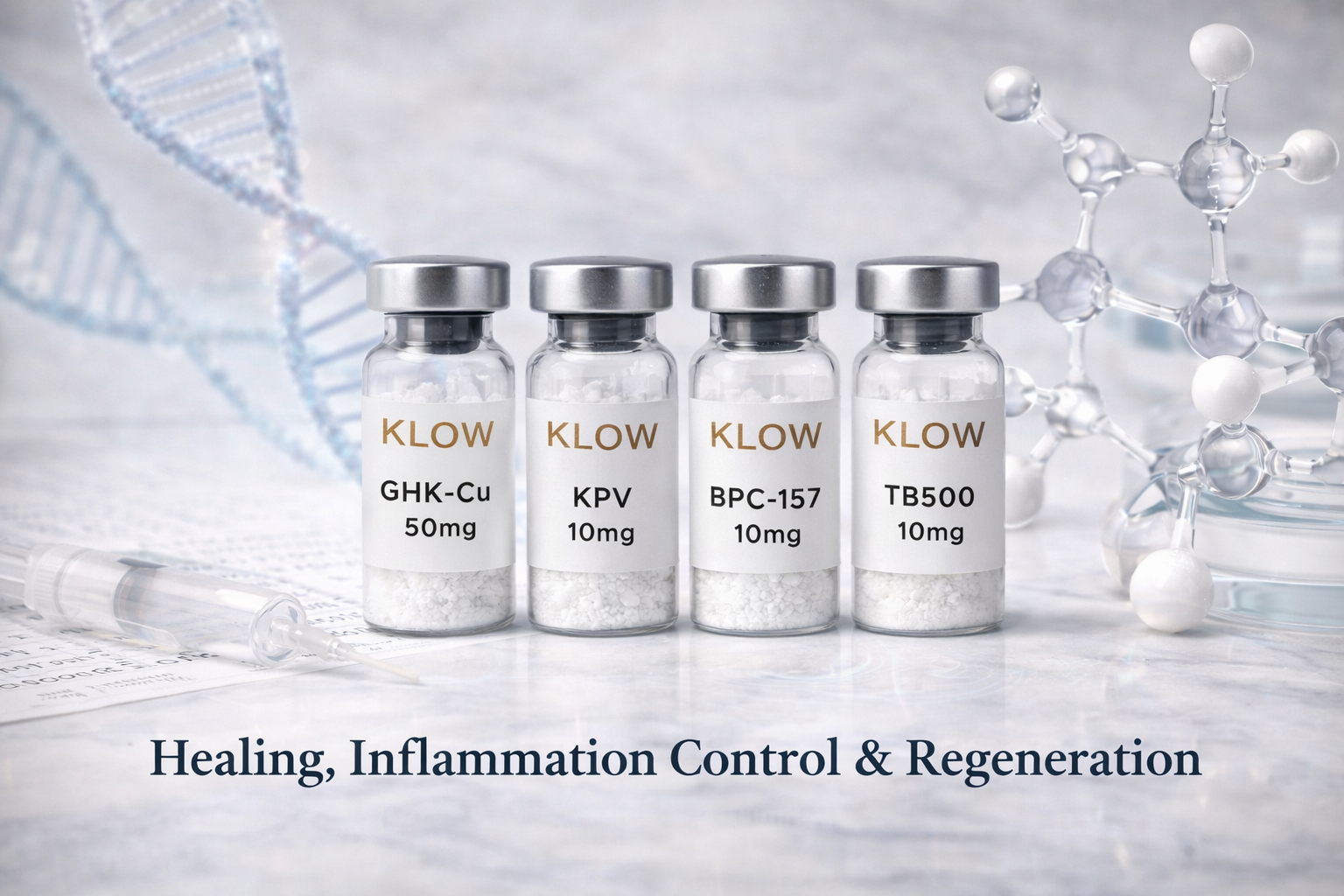
![KLOW [80MG] – Legionary Peptides](https://legionarypeptides.com/wp-content/uploads/2026/02/klow80_peptide-936x1024.jpg)


